Breakdowns on the way to the mountains or the coast rarely involve a part that was healthy the week before. They involve a tire that was already low, a battery that was already weak, or a coolant hose that was already soft, meeting a loaded car, a hot Piedmont afternoon, and three hours of highway speed. Concord drivers heading out on I-85 or US-52 can catch most of those failures in the driveway, in about twenty minutes, with no tools beyond a tire gauge and a flashlight.
The driveway checklist
- Tires: check pressure in all four, plus the spare, against the number on the driver's door jamb, not the tire sidewall. Look for nails, bulges, and cracking.
- Tread: a penny held upside down in the groove works as a rough gauge. If the tread is near the wear bars, a loaded highway trip in rain is the wrong debut.
- Oil: check the level and color on the dipstick, and confirm the change interval will not expire mid-trip.
- Coolant: check the reservoir level when the engine is cold. Never open a hot radiator cap. Low coolant before a trip is a leak until proven otherwise.
- Other fluids: brake fluid at its mark, washer fluid full, and a glance at the transmission and power steering levels where your car allows it.
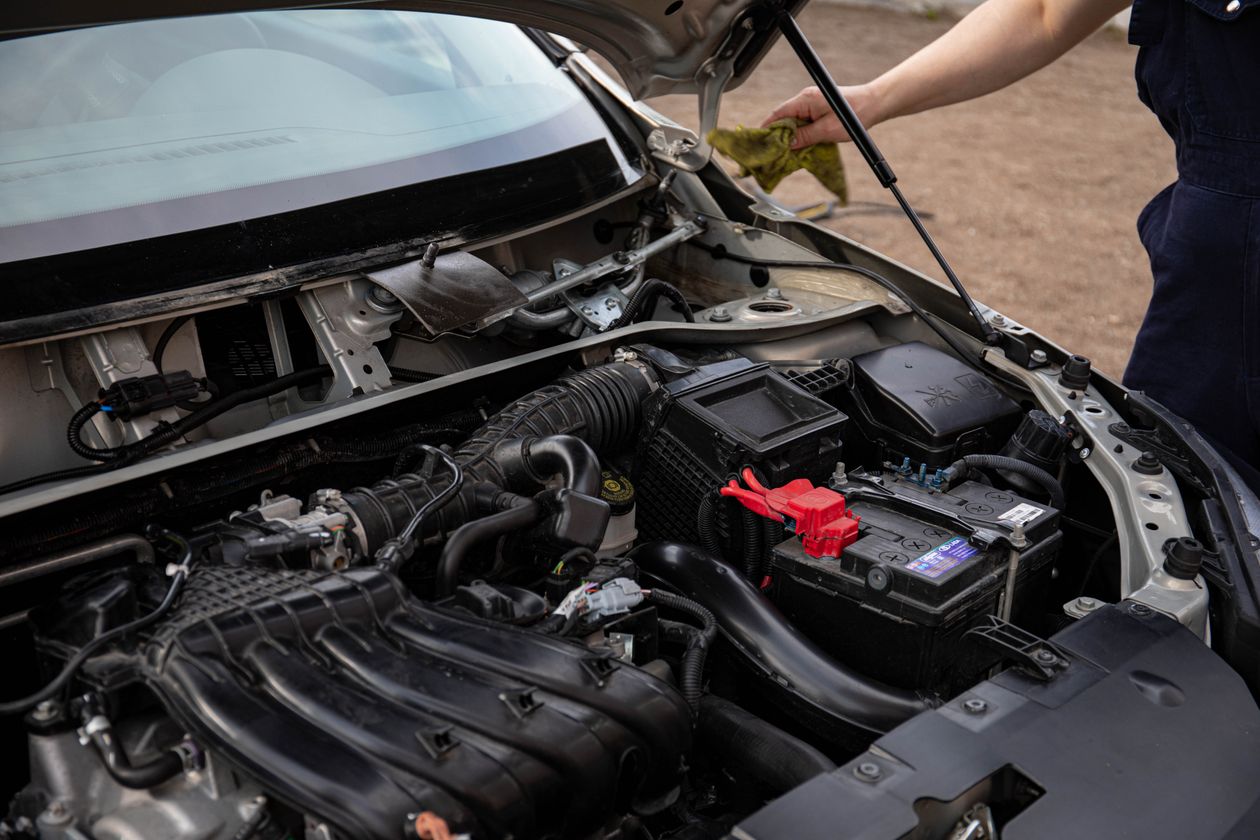
- Battery: look for corrosion on the terminals and note the battery's age. Most car batteries last three to five years in Carolina heat, and they usually fail at a rest stop.
- Belts and hoses: squeeze the main hoses. They should feel firm, not mushy or crunchy, and belts should show no cracks or fraying.
- Lights and wipers: every bulb working, wipers clearing without streaks. Summer thunderstorm visibility on the highway is not optional equipment.
- Air conditioning: run it for five minutes. Weak cooling at home becomes no cooling somewhere around hour two.
What to hand to a shop instead
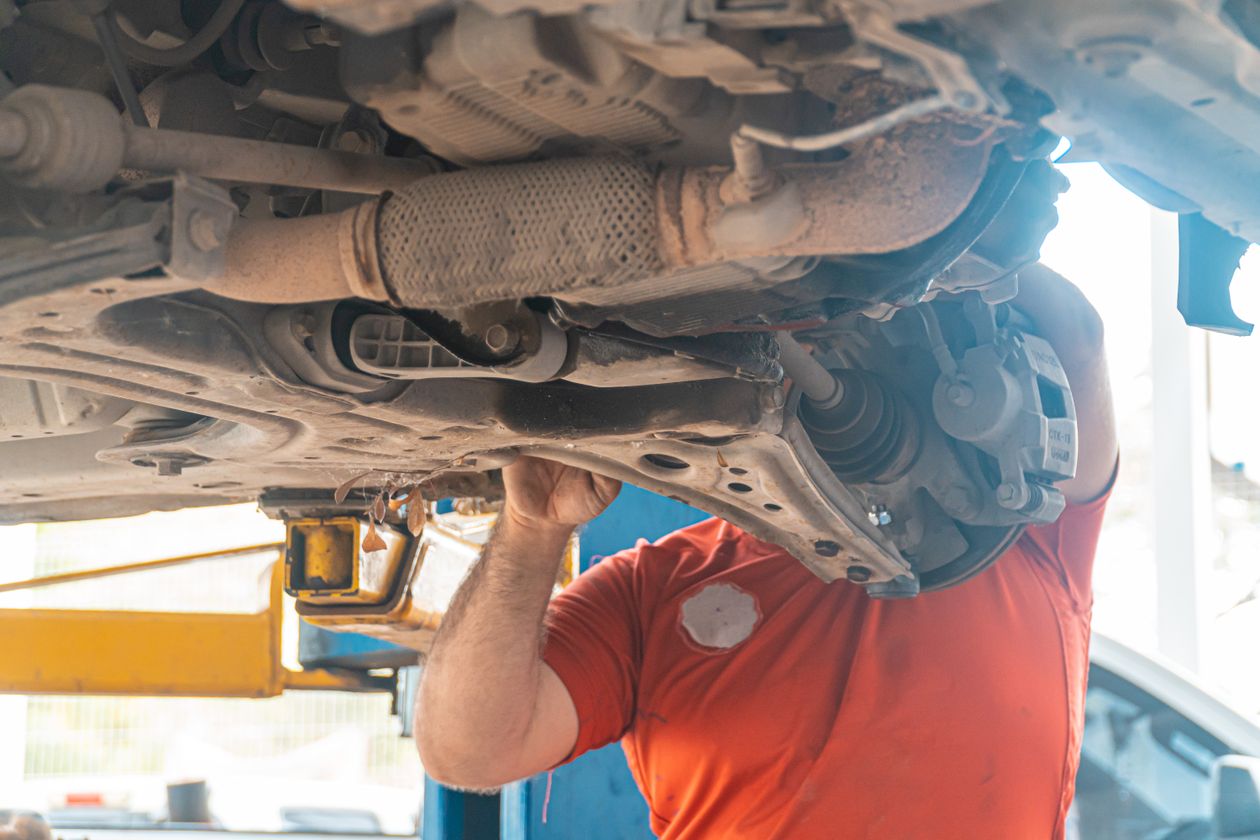
Some pre-trip findings are not driveway jobs. A coolant level that keeps dropping, a battery that needed a jump this month, a new noise over bumps, uneven tire wear, or a check engine light that comes and goes all deserve a professional look before the trip, ideally a week before rather than the afternoon before. A full-service shop like Paul's Automotive Service & Repair can put the car on a lift, and the underside view catches exhaust, suspension, and leak problems that no driveway check can see.
Pack for the failure you cannot predict
Even a checked car can pick up a nail. Carry a charged phone, water, a flashlight, basic tools, and know where your jack and lug wrench live before you need them in the dark. If your spare is a temporary donut, remember its limits: lower speeds and short distances, meant to reach a tire shop, not finish a vacation.
The small kit worth assembling once
A basic road kit takes little space and covers the failures that strand people within sight of help: jumper cables or a charged jump pack, a tire inflator that runs off the car's outlet, a pressure gauge, a flashlight that is not your phone, work gloves, and a bottle of water for the radiator emergency and the humans alike. Add any medication and phone charging cables. None of this requires mechanical skill; all of it converts a crisis into an inconvenience.
Habits for the drive itself
The car's own instruments are a monitoring system, if you look at them. Glance at the temperature gauge at every fuel stop, walk around the car while the tank fills, and look at each tire. A tire losing air slowly shows a visible sag at rest stop distances, hours before it fails at highway speed. New vibrations, new sounds, and new smells mid-trip are data, and the cheapest place to investigate them is the next exit with a town attached, not the destination.
One more item deserves a line: tell someone your route and rough timing, and keep the tank fuller than your optimism suggests in unfamiliar stretches. The driveway check handles the car. Basic trip discipline handles the rest, and the two together are why most long drives from Concord end with nothing more dramatic to report than traffic outside Charlotte and a good story about lunch.
Common questions
How far before a trip should I do this check?
About a week. That leaves time to fix what you find without turning the day before departure into a repair emergency.
Should tire pressure match the number on the tire?
No. The sidewall number is a maximum. Use the pressure on the vehicle manufacturer's door jamb sticker, which is set for your car's weight.
Is a pre-trip inspection at a shop worth it for an older car?
For a high-mileage car facing a long, loaded, hot drive, yes. The lift inspection is exactly the check that finds the hose, leak, or worn joint a driveway cannot.
Photos in this guide are representative stock images.
← All guides from Paul's Automotive Service & Repair← Back to Paul's Automotive Service & Repair