Every car registered in Cabarrus County needs a North Carolina inspection each year before its registration can renew: a safety inspection everywhere in the state, plus an emissions inspection in counties like this one. The test itself is standardized, the fee is set by the state, and the items checked are published. What surprises Concord drivers is not the standard. It is how many failures come down to a bulb, a wiper blade, or a warning light they had been meaning to ask about.
What the inspection covers
| System | What is checked | Common failure |
|---|---|---|
| Lights | Headlights, brake lights, signals, plate light | A single bulb out, often the plate or third brake light |
| Brakes | Operation, pedal, parking brake | Worn pads or a parking brake that will not hold |
| Tires | Tread depth and visible damage | Tread at or below the legal minimum, uneven wear |
| Steering and suspension | Play, leaks, worn components | Worn tie rod ends or ball joints |
| Glass and wipers | Windshield condition, wiper operation and blades | Torn blades that streak rather than clear |
| Emissions | On-board diagnostics scan on 1996 and newer vehicles | Check engine light on, or monitors not ready after a repair |
| Horn, mirrors, seat belts | Presence and operation | A belt that will not retract or latch properly |
The emissions half, in plain terms
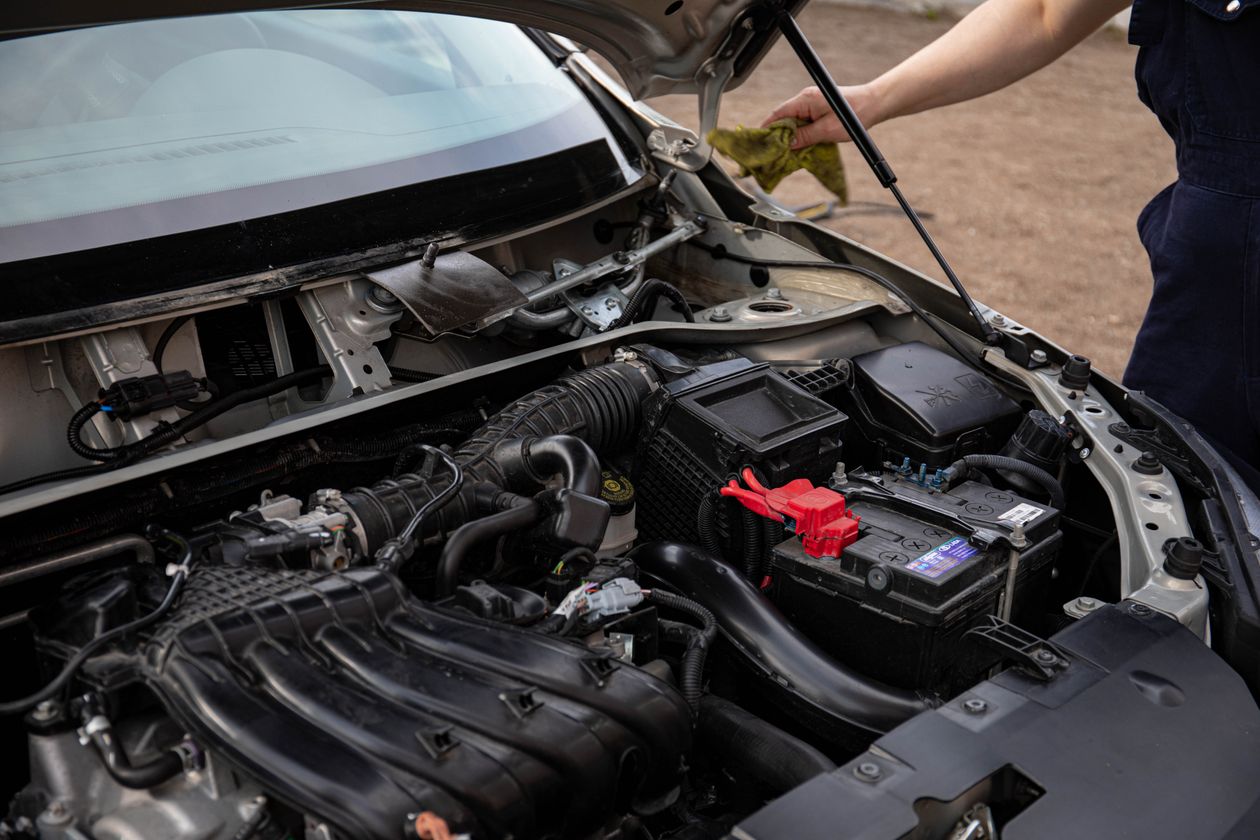
For most Concord vehicles, the emissions test is not a tailpipe probe. The inspector plugs into the car's diagnostic port and asks the computer two questions: is the check engine light commanded on, and have the self-test monitors completed since the memory was last cleared? A lit check engine light is an automatic failure. So is a car whose battery was recently disconnected or whose codes were just cleared, because the monitors show as not ready. That car needs ordinary driving, usually a few days of mixed trips, before it can be tested again.
A ten-minute driveway check before you go
Walk around the car with a helper: every light, both turn signals, brake lights, and reverse lights. Look at the tires for wear bars showing flush with the tread. Run the wipers with washer fluid. Check the horn, mirrors, and every seat belt latch. And look at the dashboard with the engine running: any warning light that stays on is a conversation to have with a shop like Paul's Automotive Service & Repair before the inspection, not during it.
If the car fails
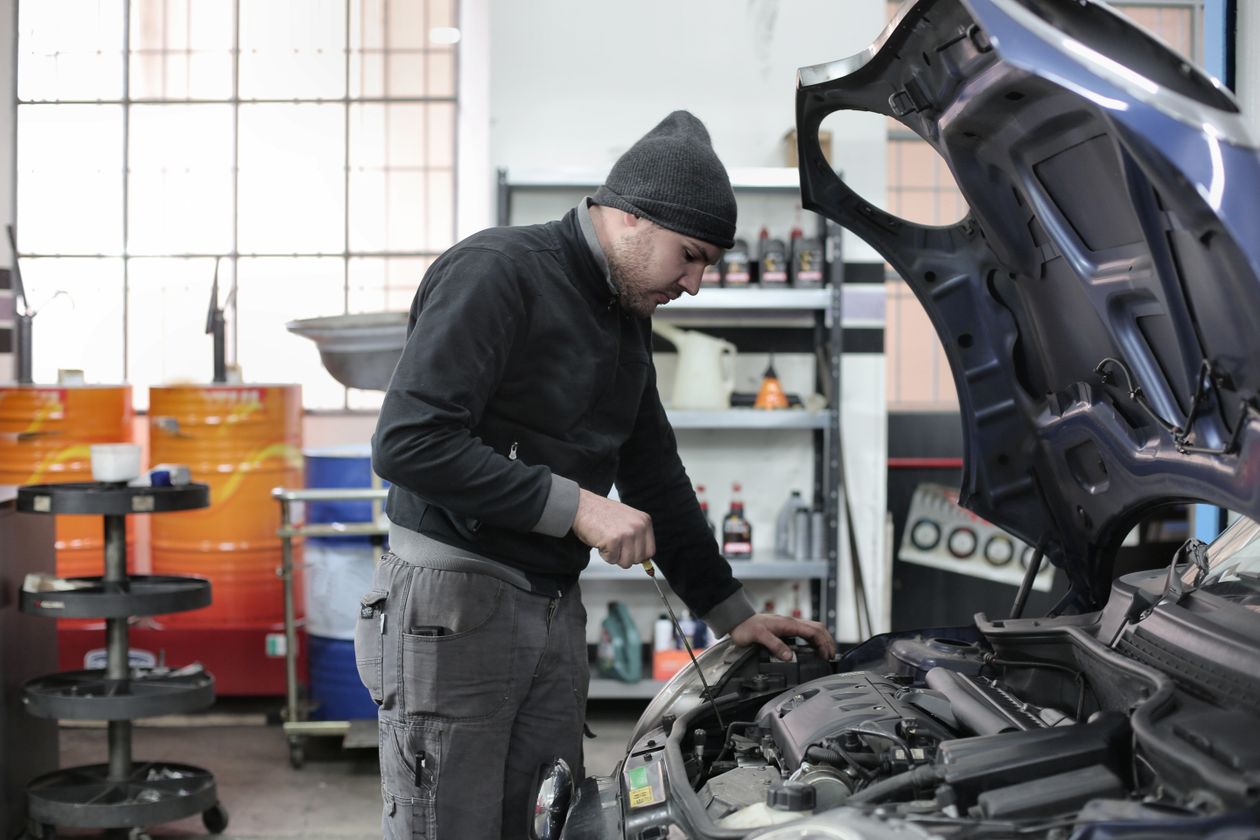
A failed inspection is not a dead end. You get a report naming the failed items, and repairs can be done at the inspecting station or anywhere else. In emissions counties there are waiver provisions for qualifying repair spending on older failures, but for most drivers the straightforward path is simply fixing what is on the list. The earlier in your renewal month you test, the more calmly that can happen.
What the inspection does not cover
The state inspection is a floor, not a health certificate. It does not assess your engine's condition, your transmission, your air conditioning, or how many miles are left in anything that currently passes. A car can pass inspection with an oil leak, a tired battery, and a timing belt on borrowed time. Drivers sometimes read a passed inspection as a clean bill of health and defer maintenance they needed; the inspection only certifies that the listed safety and emissions items met the standard on that day.
Pairing inspection with maintenance
The efficient Concord habit is to book the inspection alongside routine service at a shop that does both, so anything the inspection finds can be handled in the same visit, and the mechanic sees the whole car once a year regardless. It also solves the calendar problem: the renewal deadline is the one date nobody forgets, so anchoring your annual look-over to it means worn brakes, tired tires, and aging fluids get noticed on a schedule instead of on a roadside.
Common questions
Can I get inspected with the check engine light on?
You can be tested, but in an emissions county the car will fail. Have the fault diagnosed and repaired first, then drive a few days so the monitors reset.
How early can I get the inspection done?
Up to 90 days before your registration expires. Early in the window is the smart play, since it leaves time to fix anything that turns up.
Do new cars need inspection in North Carolina?
Yes, though very new vehicles may be exempt from the emissions portion in their first years under state rules. The safety inspection applies broadly; check your renewal notice for your car's specifics.
Photos in this guide are representative stock images.
← All guides from Paul's Automotive Service & Repair← Back to Paul's Automotive Service & Repair