Drivers in Concord get maintenance advice from dashboards, door jamb stickers, quick-lube windshields, and relatives, and the numbers rarely agree. Some of the disagreement is real: intervals depend on oil type, driving pattern, and the car itself. But a handful of figures cover most of what keeps a daily driver reliable in the Piedmont, and each one has a reason behind it that is worth understanding once.
Oil: the interval is about your driving, not a slogan
The old 3,000-mile rule belonged to older oils and older engines. Modern synthetic oils in modern engines commonly run 5,000 to 7,500 miles, and some manufacturers specify more. The catch is the definition of normal driving. Short trips around Concord, where the engine never fully warms up, are classified as severe service by most manufacturers, because fuel and moisture build up in oil that never gets hot enough to boil them off. If your commute is four miles, your interval is the shorter one in your owner's manual, regardless of what the oil can do on a highway car.
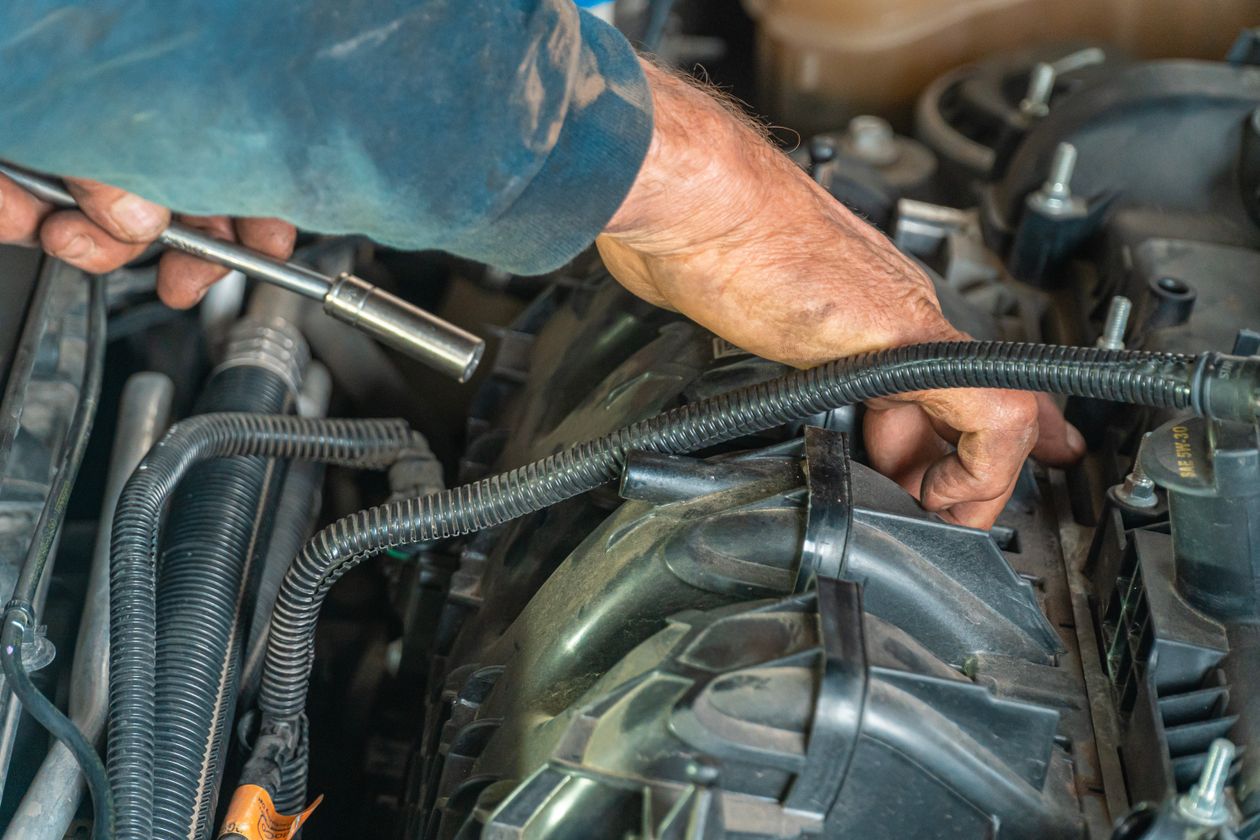
Coolant: it is not just antifreeze, and it wears out
Coolant prevents freezing, but in a Carolina summer its other jobs matter more: raising the boiling point and carrying corrosion inhibitors that protect the inside of the engine and radiator. Those inhibitors deplete with time, which is why coolant has a replacement interval measured in years even on cars that are barely driven. Old coolant quietly corrodes water pumps, thermostats, and heater cores, parts that are cheap compared to the engines they can take with them. If you cannot remember when yours was changed, that is your answer.
Batteries: heat kills them, winter bills you
The Piedmont pattern is consistent: summer heat does the damage inside the battery, and the first cold morning collects the debt. A battery that cranks a little slower in October is telling you its winter plans. Testing takes minutes at a shop like Paul's Automotive Service & Repair, and a planned replacement beats the rest-stop version every time.
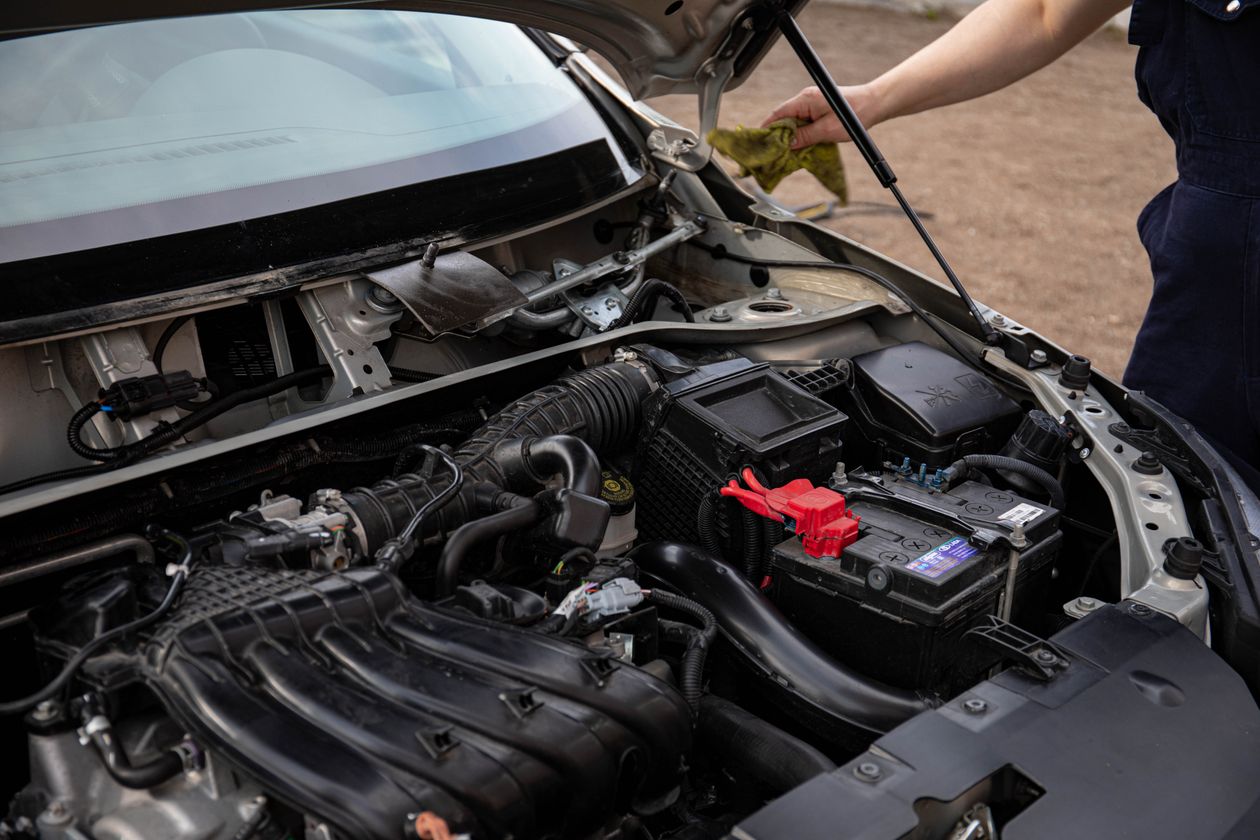
The habit that ties it together
Pick one shop, keep records, and let each visit include a look at the whole car, not just the item you came in for. Consistent eyes on the same vehicle catch the slow changes, the seeping hose, the tire wearing on one edge, long before they become the expensive kind of surprise.
Tires: rotation is the cheapest mileage you will ever buy
Tires wear at different rates front to rear, especially on front-wheel-drive cars, which describes most of what Concord families drive. Rotating them, typically every 5,000 to 7,500 miles, conveniently often at the oil change, evens the wear so all four reach replacement together with their grip intact. Skipping rotations is how a car ends up with good rear tires and bald fronts in the rain. Alignment matters alongside: a car that drifts or wears one edge is spending tire life on a geometry problem, and no rotation schedule outruns it.
Transmission fluid: the honest version
Transmission fluid is the most argued-over item on this list, because sealed-for-life claims from manufacturers meet mechanics who have seen the inside of those transmissions. The measured middle ground: fluid degrades with heat and time like every other fluid in the car, many manufacturers do publish change intervals for severe service, and a fluid service done at sane intervals by a shop that uses the correct specified fluid is maintenance, not a gamble. What deserves suspicion is any universal rule, in either direction, applied without reference to your car's manual and its actual service history.
If you keep only one habit from this page, make it the glance: oil and coolant reservoirs checked when you fuel up, a walk-around for tires and leaks once a month, and a note of the battery's age somewhere you will see it. Numbers matter because they turn worry into schedule. A driver who knows the intervals, and roughly where their car sits inside each one, almost never meets the expensive versions of these systems.
Common questions
Does my car really need synthetic oil?
If the manufacturer specifies it, yes: many modern engines are built around its flow and heat characteristics. If it is optional for your car, it buys longer intervals and better heat protection.
Can I mix coolant colors when topping up?
Avoid it. Coolant chemistries differ and mixing can reduce protection. Top up with the type your manual specifies, and if the level keeps dropping, find the leak.
My battery is four years old but starts fine. Replace it anyway?
Get it tested rather than guessing. A load test shows how much capacity is actually left, and the result, not the birthday, should make the call.
Photos in this guide are representative stock images.
← All guides from Paul's Automotive Service & Repair← Back to Paul's Automotive Service & Repair