Brakes rarely fail all at once. They fade, literally and gradually, a millimeter at a time, which is why most drivers cannot tell their pads are nearly gone until the noise starts or the pedal feels wrong. A proper brake inspection exists to catch wear with numbers while the fix is still simple. Here is what that inspection actually involves when it is done completely, the way a full-service shop in Concord like Paul's Automotive Service & Repair approaches it.
- Road feel and pedal check. The inspection starts with how the car stops: pedal height and firmness, pulling to one side, vibration through the wheel or pedal, and any noise under braking. These symptoms point at specific corners and components before a wheel comes off.
- Wheels off, pads measured. With the wheels removed, pad thickness is measured in millimeters on every corner, inner and outer pads both. Uneven wear between inner and outer pads suggests a sticking caliper or slide pins, not just worn pads.
- Rotors checked for thickness and surface. Rotors are measured against the minimum thickness stamped on them and checked for scoring, heat spots, and warping, the usual cause of pulsation under braking.
- Calipers, hoses, and lines inspected. Rubber hoses are checked for cracks and bulges, metal lines for rust, and calipers for leaks or seized movement. In the Piedmont, winter road salt on trips north and plain age both take a toll here.
- Brake fluid tested. Brake fluid absorbs moisture over time, which lowers its boiling point and corrodes the system from inside. Fluid is checked for moisture content and color, not just topped up.
- Report with measurements. You get the numbers: pad thickness per corner, rotor condition, fluid state, and a clear split between what needs doing now and what can be scheduled later.
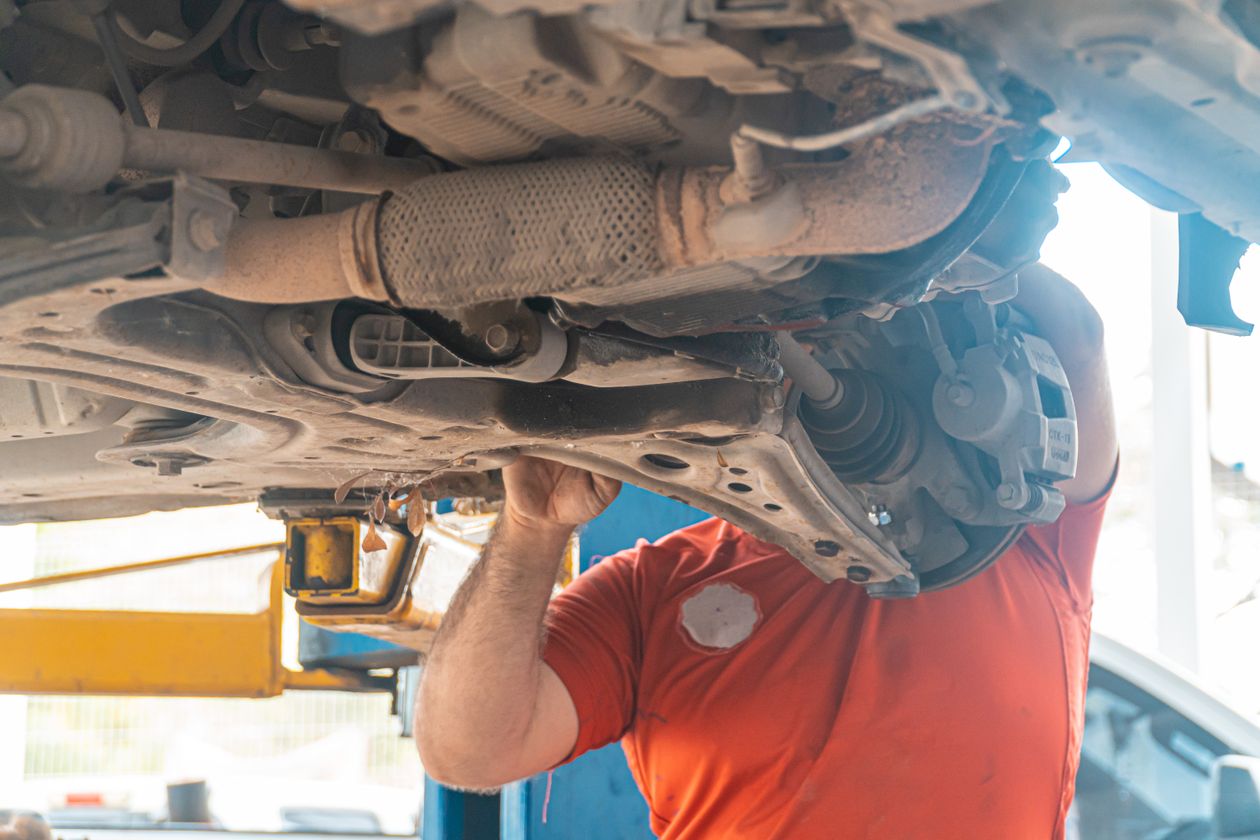
Signs your brakes are asking now, not later
Squealing under light braking is often the built-in wear indicator, a small metal tab designed to make noise when pads get thin. Grinding is worse: it usually means pads are gone and metal is cutting into the rotor. A pedal that sinks slowly at a stoplight, a car that pulls under braking, or a brake warning light each warrant an appointment this week, not this season.
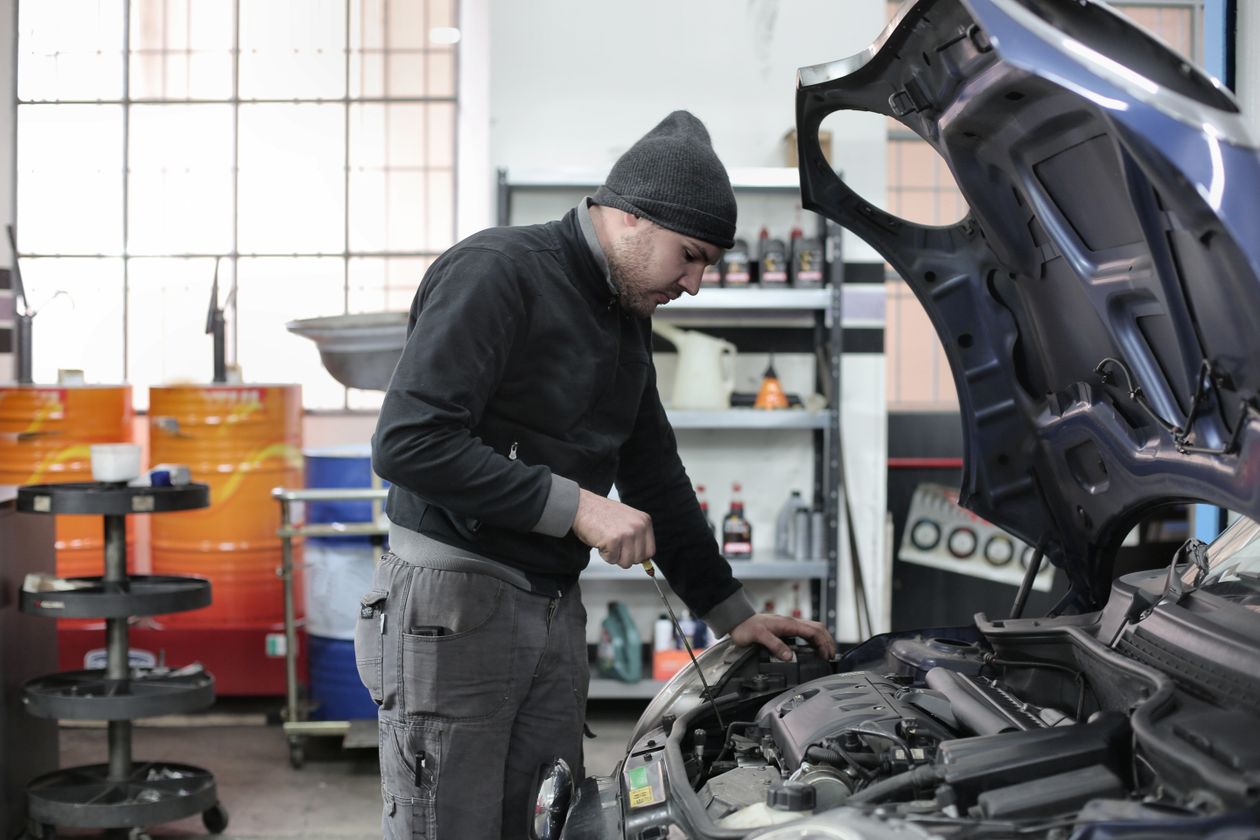
Questions worth asking before you approve work
Ask for the pad measurements, ask whether the rotors can be resurfaced or must be replaced and why, and ask what the parts and labor split is. A shop that measured everything will answer without hesitation. Be wary of a quote built on one corner's wear applied to all four, and of any recommendation that cannot be explained in numbers.
How long the work takes, and what changes that
A straightforward pad and rotor replacement on one axle is usually a same-day job measured in hours, not days. What stretches timelines is discovery: a seized caliper found during the work, a brake hose that crumbles at a fitting, or wear on the opposite axle that matches the first. This is why honest shops inspect, report, and quote before they start, and call before they expand the job. If a shop will not commit to that sequence, the inspection report is the thing to ask for in writing.
Bedding in new brakes
New pads and rotors need a short break-in period, called bedding, where a series of moderate stops transfers an even layer of pad material onto the rotor. Your mechanic handles or advises on this. For the first few hundred miles, avoid panic stops where you safely can, and do not be alarmed by faint smells or mild squeaks in the first days. What should not appear is vibration, grinding, or a soft pedal. Any of those earns an immediate return visit, which a good shop will treat as its own problem to solve, not yours.
Finally, keep the inspection report with your service records. Brake wear measured once is a snapshot; measured at every visit, it becomes a rate, and the rate is what lets a good mechanic tell you in spring that your pads will want attention by fall. That kind of forecasting, calm and specific, is the real product of an inspection done properly, and it is what separates a maintenance relationship from a series of roadside surprises.
Common questions
How long do brake pads usually last?
Very roughly 30,000 to 60,000 miles for most drivers, but stop-and-go Concord commuting, hills, and driving style move that range a lot. Measurement beats mileage guesses.
Do rotors always need replacing with pads?
No. Rotors within thickness spec and in good surface condition can often be resurfaced or reused. Rotors below minimum thickness cannot, for safety reasons.
How often should brake fluid be changed?
Many manufacturers specify every two to three years because of moisture absorption. A moisture test at inspection time tells you where your fluid actually stands.
Photos in this guide are representative stock images.
← All guides from Paul's Automotive Service & Repair← Back to Paul's Automotive Service & Repair